
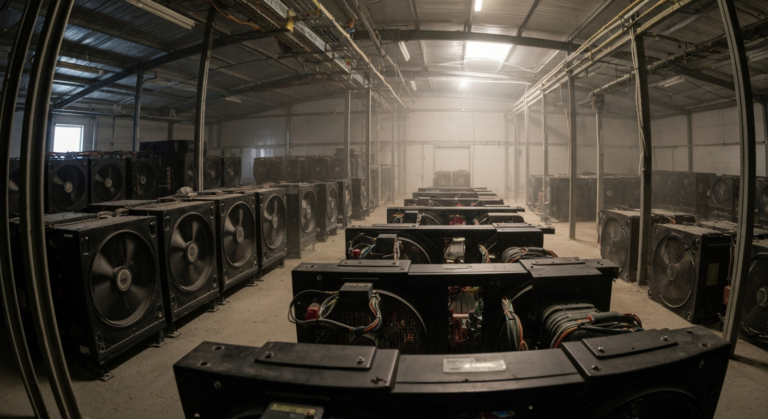
 ▲ Bitcoin (BTC)/AI-generated image © |
As tensions escalate in the Middle East, leading cryptocurrency Bitcoin (BTC) is overcoming traditional macroeconomic pressures and rapidly emerging as a new geopolitical safe haven, exhibiting notable upward momentum.
According to CoinMarketCap on March 13 (local time), Bitcoin was trading at $71,425.54, up 1.58% over the past 24 hours, moving in line with the overall cryptocurrency market capitalization growth rate of 1.69%. Market analysts, including CoinShares, noted that since the outbreak of conflict among the United States, Israel, and Iran, Bitcoin has surged more than 6%, outperforming gold and equities. They assess that geopolitical factors have now been elevated above macroeconomic data as the primary driver of price movements.
Despite the broader macroeconomic uncertainty, U.S. spot Bitcoin ETFs recorded net inflows totaling $529.2 million over three consecutive trading days through March 12, demonstrating firm institutional demand. As investors increasingly treat Bitcoin as an independent hedge asset amid geopolitical shocks, capital flowing into spot ETFs is forming a solid price support base.
Healthy indicators from the derivatives market are also supporting the rally. Total open interest rose 0.91% to $402.42 billion, while the average funding rate remained slightly negative at -0.00046582%. This suggests the market is not overheated by excessive leverage, and as short positions gradually come under pressure, the risk of sharp declines triggered by large-scale liquidations is reduced, providing stable upward momentum.
Currently, Bitcoin is consolidating within a range between $62,000 and $72,000, with the short-term first hurdle at the 23.6% Fibonacci retracement level of $71,338. If the price firmly holds above $70,000, it is likely to test the resistance zone between $71,600 and $72,000. However, if the $68,500 support level breaks down, there remains a risk of a decline toward $66,000.
Ultimately, Bitcoin’s short-term trajectory depends on whether tensions in the Middle East ease and whether spot ETF inflows continue. If the conflict subsides, renewed risk appetite could drive an attempt to break through the $72,000 resistance level. Conversely, if tensions escalate further, whether Bitcoin decouples from traditional risk-off sentiment will serve as a key test of its true value as a geopolitical hedge asset.
Disclaimer: This article is provided for investment reference purposes only and the publisher is not responsible for any investment losses resulting from reliance on it. The content should be interpreted solely for informational purposes.


![[코인 동향분석] 자산가 포트폴리오는 비트코인·이더리움 중심…RSI 7%대 알트코인 ‘극단적 과매도’ 구간](https://c-kill.com/wp-content/uploads/2026/03/vhnubbad35-WbCavX-768x512.jpg)
![[오늘의 주목코인] 딥북, 공포·탐욕 ‘매우 탐욕’ 최상단…거래대금 234억 원대 동반 강세](https://c-kill.com/wp-content/uploads/2026/03/7usmfag34d-PpAskK-768x479.jpg)
![[오후 뉴스브리핑] 온체인 분석가가 최근 대규모 이더리움 매수 포착 外](https://c-kill.com/wp-content/uploads/2026/03/fkzzq103ac-vvtFa4-768x512.jpg)
![[오후 시세브리핑] 암호화폐 시장 혼조세… 비트코인 71,166달러, 이더리움 2,106달러](https://c-kill.com/wp-content/uploads/2026/03/jcjptnhorw-RgOI9u-768x359.jpg)
![[크립토 인앤아웃] 이더리움 7600만 달러 흡수…CC·비트코인 유출 우세](https://c-kill.com/wp-content/uploads/2026/03/6h7gpy7fmv-SxiESQ-768x449.jpg)

답글 남기기